PERIPHERAL NEUROPATHY
Peripheral neuropathy affects the nerves outside the brain and spinal cord and may cause symptoms such as burning sensations, tingling, numbness, weakness, sensitivity to touch, balance difficulties, and discomfort in the hands or feet.
Because peripheral nerves help control sensation, movement, and many automatic body functions, nerve dysfunction can impact comfort, mobility, sleep, and daily activities.
At Extivita, we take a comprehensive wellness-focused approach to supporting individuals experiencing neuropathy-related symptoms. Depending on a person’s needs and goals, services may include Hyperbaric Oxygen Therapy (HBOT), Nutritional IV Therapy, Pulsed Electromagnetic Field Therapy (PEMF), Infrared Sauna Therapy, nutritional support, and other physician-guided wellness services.
Understanding Peripheral Neuropathy
Peripheral neuropathy refers to damage, dysfunction, or disruption affecting nerves outside the brain and spinal cord.
The peripheral nervous system serves as the communication network between the central nervous system and the rest of the body. These nerves help carry information related to sensation, movement, balance, and automatic functions such as digestion and blood pressure regulation.
When peripheral nerves become damaged or function improperly, nerve signals may become altered, delayed, weakened, or disrupted. This can contribute to a wide range of symptoms that may affect quality of life and functional ability.
Some neuropathies develop gradually over time, while others may occur following injury, illness, medication exposure, nutritional deficiencies, or underlying medical conditions.
Three Types of Peripheral Nerves
Peripheral neuropathy can affect one or more of these nerve types, which is why symptoms may range from burning and numbness to weakness, dizziness, digestive changes, or balance concerns.

Sensory Nerves
Help you feel and interpret sensations.
Examples:
(Touch, Temperature, Pressure, Pain)
Motor Nerves
Help muscles move and coordinate movement.
Examples:
(Walking, Balance, Coordination, Muscle control)
Automatic Nerves
Help regulate automatic body functions.
Examples:
(Heart rate, Digestion, Blood pressure, Sweating)
Why Symptoms Often Start in the Feet
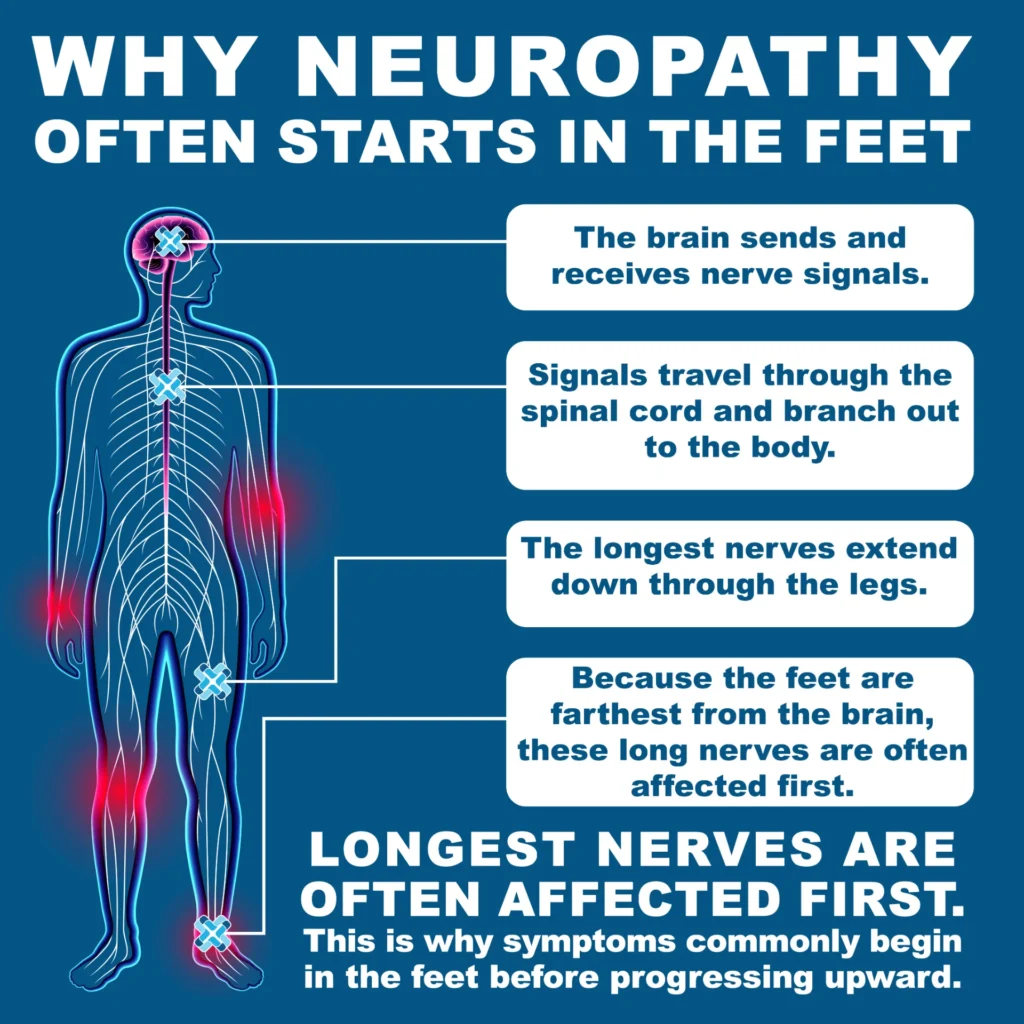
Many forms of peripheral neuropathy are considered “length-dependent,” meaning the longest nerves in the body are often affected first.
Because nerves extending to the feet are among the longest nerve pathways in the body, symptoms frequently begin in the toes and feet before progressing upward into the legs or affecting the hands.
Common Symptoms of Peripheral Neuropathy
Symptoms vary depending on which nerves are affected and the degree of nerve dysfunction. These symptoms may occur occasionally, remain stable, or gradually progress depending on the underlying condition involved.

Burning Sensations
Burning or hot feelings frequently occur in the feet and lower legs.
Tingling
Often described as “pins and needles”.
Numbness
Reduced sensation may develop gradually.

Sharp or Electric-Like Pain
Some individuals report stabbing, shooting, or electrical sensations.

Sensitivity to Touch
Even light pressure from blankets or shets may feel uncomfortable.

Balance Changes
Reduced sensation in the feet can contribute to stability concerns.

Weakness
Motor nerves may also be affected in some forms of neuropathy.

Coordination Challenges
Changes in sensation may affect gait and movement.
CONDITIONS ASSOCIATED WITH PERIPHERAL NEUROPATHY
Peripheral neuropathy is not a single disease. Rather, it is a broad category of nerve disorders that may be associated with many different contributing factors.
Conditions commonly associated with neuropathy include:
- Diabetes and Prediabetes: Diabetes is among the most common conditions associated with peripheral neuropathy.
- Chemotherapy-Related Nerve Damage
- Vitamin Deficiencies
- Autoimmune Conditions
- Infections
- Nerve Compression
- Toxin Exposure
- Hereditary Conditions
Experiencing Burning, Tingling, or Numbness?
Understanding potential contributing factors is an important first step.
Schedule Your Free Wellness Visit →
EXTIVITA THERAPIES FOR PERIPHERAL NEUROPATHY

Hyperbaric Oxygen Therapy

Nutritional IV Therapy

Pulsed Electromagnetic Field Therapy

Infrared Sauna
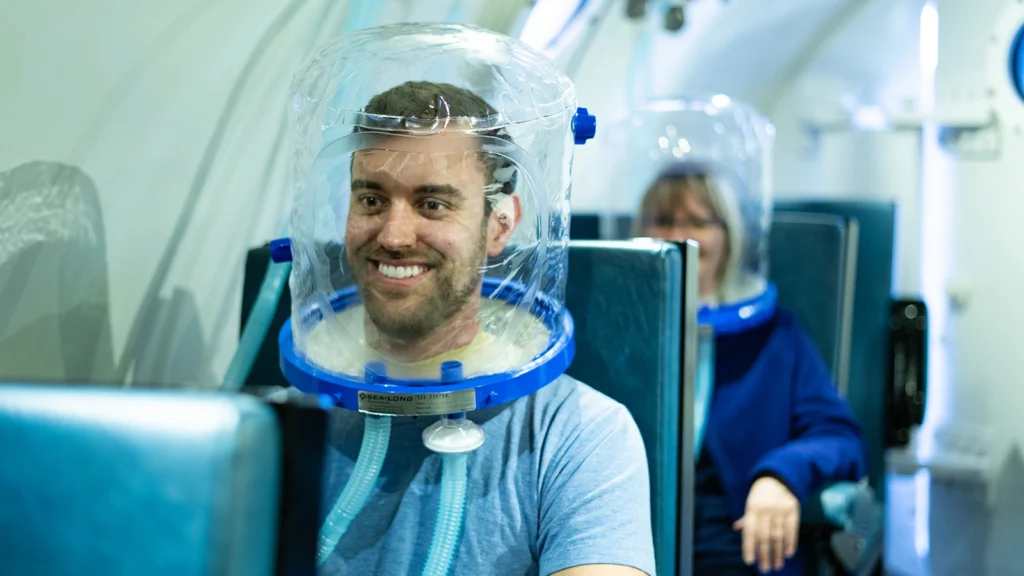
Hyperbaric Oxygen Therapy for Peripheral Neuropathy
Hyperbaric Oxygen Therapy (HBOT) involves breathing 100% oxygen in a pressurized environment. Increased atmospheric pressure allows significantly more oxygen to dissolve into blood plasma and reach tissues throughout the body.
HBOT has been extensively studied for its effects on oxygen delivery, circulation, inflammation, tissue repair, and cellular function.
How HBOT Supports Individuals with Peripheral Neuropathy

Supports Oxygen Delivery to Tissues
Oxygen is essential for cellular metabolism and tissue function. HBOT significantly increases oxygen availability throughout the body.

Supports Healthy Circulation
Research has shown that HBOT may support microcirculation and tissue oxygenation in areas with compromised blood flow.

Supports Tissue Repair Processes
Hyperbaric oxygen has been studied for its potential role in supporting healing and recovery mechanisms.

Supports Cellular Energy Production
Mitochondria require oxygen to generate cellular energy. Improved oxygen delivery may help support overall cellular function and recovery.
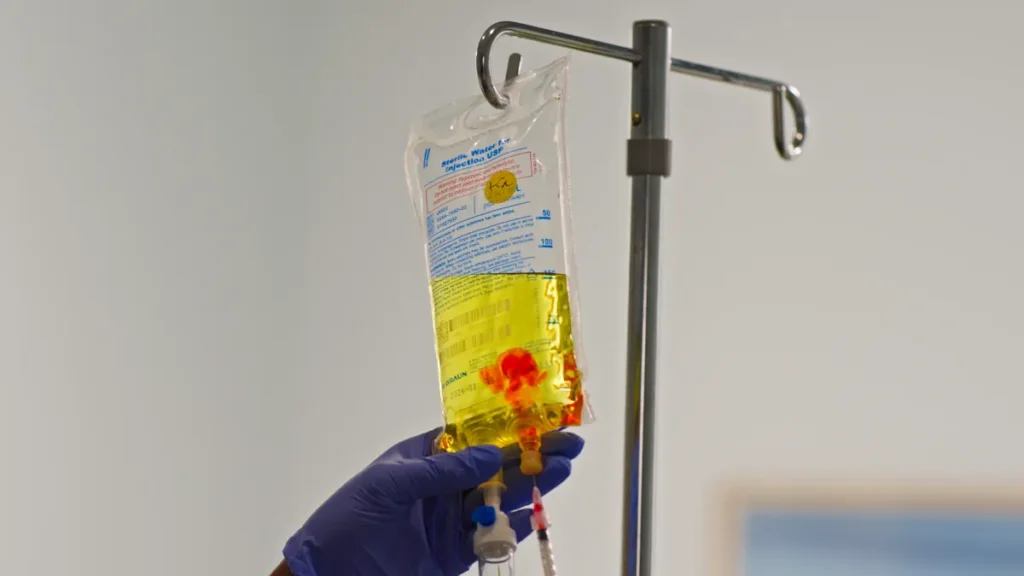
Nutritional IV Therapy
Nutritional IV Therapy delivers vitamins, minerals, amino acids, antioxidants, and hydration directly into the bloodstream, bypassing the digestive system.
This approach allows nutrients to be delivered quickly and efficiently under physician supervision.
How Nutritional IV Therapy Supports Individuals with Neuropathy

Supports Nutritional Status
Certain nutrient deficiencies have been associated with nerve dysfunction and neuropathy symptoms.

Supports Hydration
Adequate hydration plays an important role in circulation and overall cellular health.

Provides Important B Vitamins
B vitamins play essential roles in energy metabolism and nervous system health.

Supports Cellular Wellness
Many IV nutrients serve as cofactors for normal cellular function, energy production, and antioxidant protection.
Recommended IV Therapies for Neuropathy Support
Myers’ Cocktail IV
Components: B complex vitamins, Vitamin C, Magnesium, Calcium
These nutrients play important roles in nervous system function, cellular metabolism, and overall health. B-vitamin deficiencies, particularly vitamin B12 deficiency, have been associated with peripheral neuropathy and nerve dysfunction in some individuals.
Myers’ Cocktail IV delivers a combination of vitamins and minerals directly into the bloodstream, including B-complex vitamins, vitamin B12, magnesium, calcium, and vitamin C. Because certain nutritional deficiencies may contribute to nerve-related symptoms in some individuals, maintaining adequate nutrient status is an important consideration when evaluating overall nerve health.
High Dose Vitamin C IV
Vitamin C functions as an antioxidant and plays a role in collagen formation, immune function, and cellular health. High-dose IV vitamin C allows substantially higher blood concentrations than oral supplementation and may be discussed as part of a broader wellness strategy focused on supporting overall cellular function and recovery.y.
B-12 Add-On
Nutritional Support Considerations: Certain nutrient deficiencies have been associated with neuropathy, including:
- Vitamin B12
- Vitamin B1 (Thiamine)
- Vitamin B6
- Folate
Under physician supervision, nutritional evaluations may help identify deficiencies that could be contributing to symptoms.
Pulsed Electromagnetic Field (PEMF) Therapy
PEMF Therapy uses low-frequency electromagnetic fields designed to interact with the body’s tissues at the cellular level. This non-invasive therapy is commonly utilized in wellness and recovery settings.
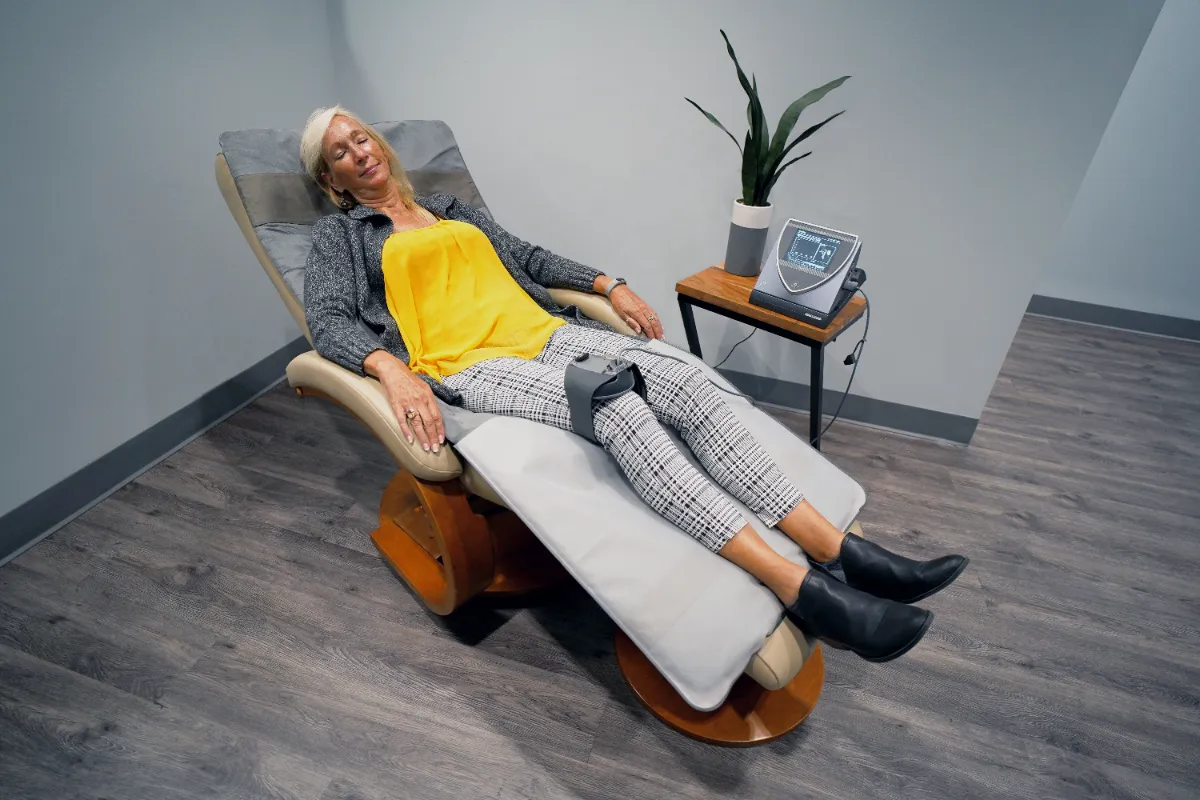
How PEMF May Support Individuals with Neuropathy

Supports Circulation
Research has investigated PEMF’s potential effects on circulation and microvascular function.

Supports Recovery
PEMF has been studied for applications involving healing, tissue recovery, and physical rehabilitation.
Promotes Mobility Goals
Many individuals incorporate PEMF into broader wellness programs focused on improving mobility and daily function.

Supports Cellular Function
Electromagnetic stimulation has been studied for its effects on cellular communication and biological activity.

Infrared Sauna for Peripheral Neuropathy
Infrared saunas use infrared energy to warm tissues directly while operating at lower temperatures than traditional saunas. Many individuals find infrared sauna sessions comfortable and relaxing as part of a comprehensive wellness routine.
How Infrared Sauna Therapy May Support Individuals with Neuropathy

Supports Circulation
Heat exposure promotes increased blood flow throughout the body.

Supports Relaxation
Relaxation may support stress management and overall wellness.

Supports Recovery
Many individuals incorporate infrared sauna sessions into recovery-focused wellness routines.
Complements Active Wellness Programs
Infrared sauna therapy may be combined with other wellness services as part of a comprehensive plan.
What to Expect at Extivita

Step 1: Schedule a Consultation
Meet with our team to discuss symptoms, concerns, and goals.

Step 2: Review Medical History
Discuss previous diagnoses, evaluations, medications, and lifestyle considerations.

Step 3: Complete Recommended Evaluations
Gather information to better understand your individual situation.

Step 4: Explore Personalized Wellness Options
Learn which therapies and wellness services may be appropriate based on your goals and circumstances.
Schedule Your Free Wellness Visit →
References:
- National Institute of Neurological Disorders and Stroke (NINDS). Peripheral Neuropathy. Available from: https://www.ninds.nih.gov/health-information/disorders/peripheral-neuropathy
- Mauermann ML, Staff NP. Peripheral Neuropathy: A Review. JAMA. 2026;335(3):255-266. PMID: 41247746.
- Watson JC, Dyck PJB. Peripheral Neuropathy: A Practical Approach to Diagnosis and Symptom Management. Mayo Clinic Proceedings. 2015;90(7):940-951. PMID: 26141332.
- MedlinePlus. Peripheral Neuropathy. U.S. National Library of Medicine.
- B Vitamin Deficiencies and Associated Neuropathies. Current Physical Medicine and Rehabilitation Reports. 2026.
- National Institutes of Health Office of Dietary Supplements. Vitamin B12 Fact Sheet for Health Professionals.
- Thom SR. Hyperbaric Oxygen: Its Mechanisms and Efficacy. Plastic and Reconstructive Surgery. 2011.
- Moon RE, editor. Hyperbaric Oxygen Therapy Indications. Undersea and Hyperbaric Medical Society (UHMS).
- StatPearls. Hyperbaric Treatment of Neuropathy. National Center for Biotechnology Information.
- Markov MS. Pulsed Electromagnetic Field Therapy: History, State of the Art and Future. Environmentalist. 2007.
- Vallbona C, Richards T. Evolution of Magnetic Therapy from Alternative to Traditional Medicine. Physiological Chemistry and Physics and Medical NMR. 1999.
- Hussain J, Cohen M. Clinical Effects of Regular Dry Sauna Bathing: A Systematic Review. Evidence-Based Complementary and Alternative Medicine. 2018.
- Masuda A, et al. The Effects of Repeated Thermal Therapy for Patients with Chronic Pain. Psychotherapy and Psychosomatics. 2005.