
Menopause
At Extivita, we take an integrative, root-cause approach to supporting women through menopause. While menopause is a natural biological transition, many of the symptoms women experience—such as hot flashes, fatigue, brain fog, mood changes, sleep disruption, and weight gain—are often driven by deeper physiological imbalances.
These include hormonal fluctuations, chronic inflammation, oxidative stress, reduced circulation, and more. Our therapies are designed to address these underlying drivers, helping women navigate menopause with greater energy, clarity, and resilience—not just symptom relief.
Understanding Menopause
Menopause is not just a hormonal event—it is a full-body transition that impacts metabolism, brain function, cardiovascular health, and cellular aging. As estrogen levels decline, inflammation can increase, mitochondrial function may decrease, and blood flow/oxygen delivery can become less efficient.
Additionally, many women experience reduced nutrient absorption, disrupted sleep cycles, and changes in body composition. These changes contribute to common menopause symptoms like brain fog and memory issues, fatigue, mood swings or anxiety, poor sleep, and joint pain.
Extivita Therapies for Menopause

Hyperbaric Oxygen Therapy

Neurofeedback Therapy

Nutritional IV Therapy

Pulsed Electromagnetic Field Therapy (PEMF)

Infrared Sauna
Hyperbaric Oxygen Therapy (HBOT) for Menopause
Hyperbaric Oxygen Therapy (HBOT) involves breathing 100% medical-grade oxygen inside a pressurized chamber, typically at 2.0 atmospheres absolute (ATA). This process significantly increases the amount of oxygen dissolved in the blood, allowing it to reach tissues that may be affected by reduced circulation, inflammation, or metabolic changes.
During menopause, hormonal shifts—particularly declining estrogen—can impact brain function, circulation, inflammation levels, and cellular energy production. HBOT supports physiological systems affected during menopause by improving oxygen delivery, modulating inflammation, and enhancing the cellular repair processes.

HBOT has been shown to positively influence several aspects of the menopause process:
Supports Cognitive Function and Reduces Brain Fog
Many women experience “brain fog” during menopause, including memory lapses, reduced focus, and mental fatigue, largely driven by hormonal changes, altered brain structure, and blood flow.
HBOT enhances cerebral oxygenation and blood flow, which are essential for optimal brain function. Increased oxygen availability supports neuronal metabolism and may promote neuroplasticity—helping improve clarity, focus, and cognitive performance.
Promotes Neuroplasticity and Brain Health
Menopause has been associated with structural and functional changes in the brain, including reductions in gray matter volume and increased risk of mood and cognitive symptoms.
HBOT has been shown to influence key biological pathways involved in brain repair, including neurogenesis (formation of new neurons), synaptic activity, and growth factor signaling. These effects support the brain’s ability to adapt and recover during periods of hormonal transition.

Reduces Inflammation and Supports Hormonal Transition
Menopause is associated with increased systemic inflammation, partly due to declining estrogen levels, which normally exert anti-inflammatory effects in the body. HBOT has demonstrated anti-inflammatory effects by reducing pro-inflammatory cytokines and promoting a more balanced internal environment.

Supports Energy Production and Reduces Fatigue
Fatigue is a common menopause symptom, often linked to mitochondrial dysfunction and reduced cellular energy production. HBOT enhances mitochondrial function and ATP production, improving the efficiency of cellular energy systems. By supporting energy metabolism at the cellular level, HBOT may help improve stamina, reduce fatigue, and enhance overall vitality.

Improves Circulation and Oxygen Delivery
Hormonal changes during menopause can affect vascular function and blood flow, contributing to symptoms like cognitive changes and reduced tissue resilience. HBOT promotes improved oxygen delivery and can stimulate angiogenesis (formation of new blood vessels), enhancing circulation to tissues and organs. This improved blood flow supports tissue health, recovery, and overall physiological function.
Neurofeedback Therapy for Menopause
Neurofeedback is a non-invasive brain training technique that helps individuals learn to regulate their brainwave activity in real time. Using EEG-based feedback, the brain is guided toward more balanced and efficient patterns of activity.
During menopause, hormonal fluctuations—particularly declines in estrogen—affect neurotransmitters such as serotonin, dopamine, and GABA. These changes can disrupt brainwave patterns and contribute to symptoms like anxiety, mood swings, brain fog, poor sleep, and reduced stress tolerance.
Neurofeedback supports the brain’s ability to self-regulate by promoting healthier neural activity, improving communication between brain regions, and enhancing neuroplasticity. This makes it a valuable tool for addressing many of the neurological and emotional symptoms experienced during menopause.
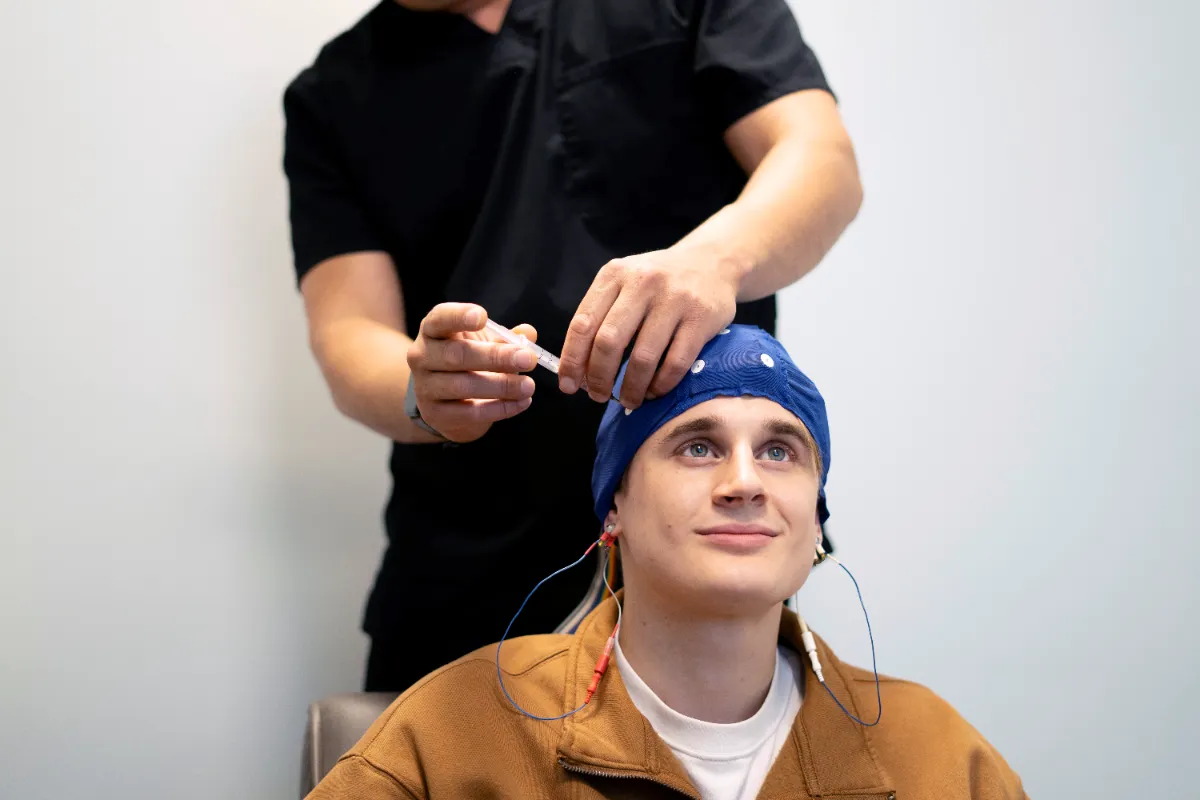
How Neurofeedback Therapy Supports Women Going Through Menopause:

Improves Mood and Emotional Stability
Neurofeedback helps regulate activity in brain regions involved in emotional processing, such as the amygdala and prefrontal cortex. By training the brain toward more stable patterns, it can reduce emotional reactivity and support improved mood regulation.

Reduces Brain Fog and Enhances Cognitive Function
Many women report difficulty with memory, focus, and mental clarity during menopause. These symptoms are linked to changes in brain connectivity and neural efficiency. Neurofeedback targets brainwave patterns associated with attention, working memory, and executive function. By reinforcing optimal activity, it can help improve focus, processing speed, and cognitive performance.

Improves Sleep Quality
Neurofeedback helps normalize brainwave activity associated with sleep cycles, particularly by increasing patterns linked to relaxation and restorative sleep. Improved sleep supports better energy, mood, and cognitive function.

Supports Stress Regulation and Nervous System Balance
Hormonal changes during menopause can increase sensitivity to stress and dysregulate the autonomic nervous system. Neurofeedback helps reduce overactivity in stress-related brain regions and promotes a shift toward parasympathetic (rest-and-recovery) dominance. This leads to improved resilience, reduced anxiety, and a greater sense of calm.
IV Therapy for Menopause
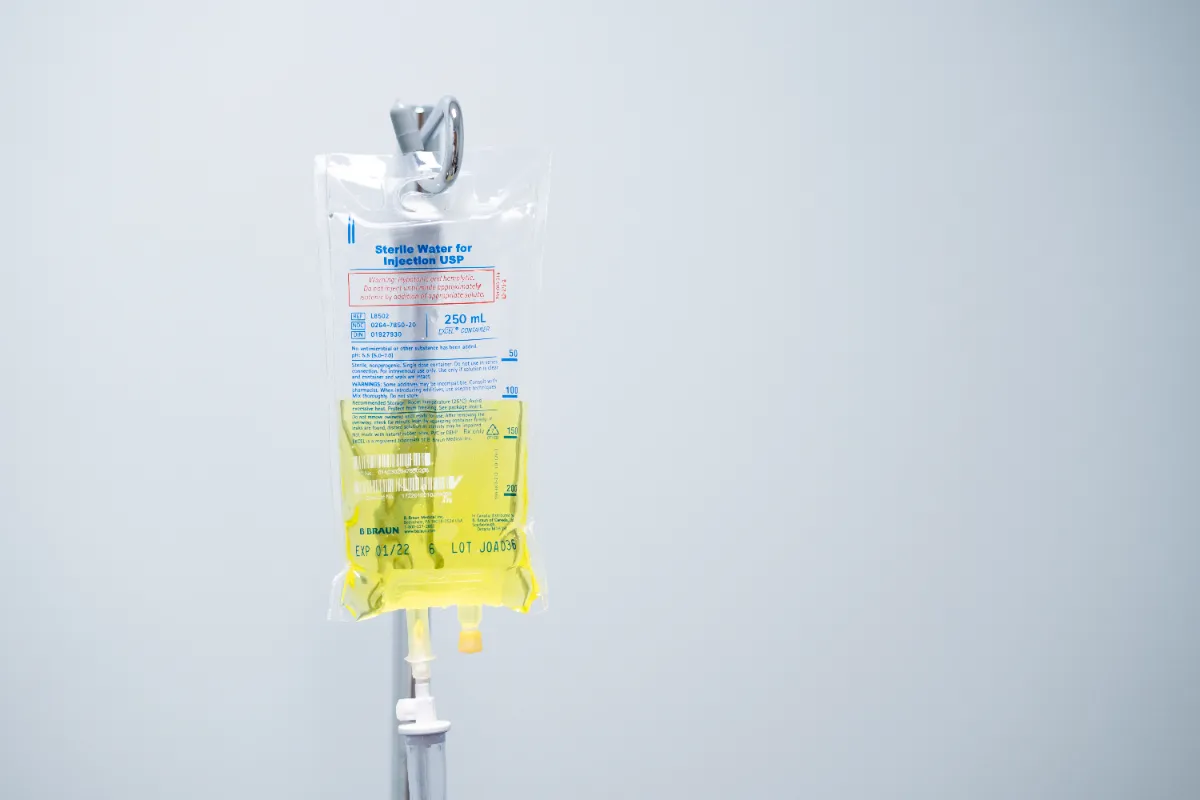
Nutritional IV Therapy delivers a targeted blend of vitamins, minerals, antioxidants, and amino acids directly into the bloodstream, bypassing the digestive system for maximum absorption.
During menopause, hormonal changes—particularly declining estrogen—can affect metabolism, nutrient utilization, brain chemistry, and energy production. Many women experience fatigue, brain fog, mood changes, and reduced resilience, which are often linked to nutrient deficiencies, increased oxidative stress, and impaired cellular function. Nutritional IV Therapy helps restore essential nutrients, support neurotransmitter balance, and enhance cellular energy production, making it a valuable tool for supporting women through the menopausal transition.
How IV Therapy Supports Menopause

Replenishes Nutrient Deficiencies
Hormonal changes during menopause can impact how the body absorbs and utilizes nutrients, increasing the risk of deficiencies that contribute to fatigue, cognitive issues, and reduced immune function. IV Therapy delivers essential nutrients directly into circulation, ensuring optimal availability at the cellular level.

Supports Energy Production and Reduces Fatigue
Fatigue is often linked to mitochondrial dysfunction and decreased cellular energy production.
B vitamins and compounds such as NAD+ are essential for mitochondrial function and ATP production. By replenishing these nutrients, IV Therapy helps support sustained energy levels, reduce fatigue, and improve overall vitality.

Enhances Brain Function and Mood Regulation
Fluctuations in estrogen can disrupt neurotransmitter balance, affecting mood, focus, and emotional stability. Nutrients delivered through IV Therapy support the synthesis of neurotransmitters such as serotonin and dopamine. This helps improve mental clarity, stabilize mood, and reduce symptoms such as brain fog and irritability.
Quickest, most effective way to
supply our cells with the nutrients
they need
Customized nutrient add-on
to target your specific
health concerns
Key IV Recommendations for Menopause Support
Myers’ Cocktail IV
Components: B-complex vitamins, Vitamin C, Magnesium, and Calcium
- B-complex vitamins support energy metabolism and neurotransmitter production, helping reduce fatigue and mood stability.
- Vitamin C acts as a powerful antioxidant, protecting cells from oxidative stress and boosting immune health.
- Magnesium promotes nervous system regulation and muscular relaxation, supporting mood stability and cognitive function.
Glutathione IV
Components: Reduced Glutathione
- Glutathione plays a critical role in detoxifying the liver and repairing cells.
- It helps improve energy levels & mental clarity by acting as a powerful antioxidant to reduce oxidative stress.
NAD+ Trio IV
Components: NAD+, Glutathione, and Magnesium
- NAD+ is essential for cellular energy production and mitochondrial function.
- This IV supports mental focus, reduces cognitive fog, and helps sustain long-term brain & body performance.
- Combined with Glutathione and the foundational nutrients of the Myers’ Cocktail, it offers a comprehensive rejuvenation therapy to provide support for brain and metabolic health.
Pulsed Electromagnetic Field (PEMF) Therapy for Menopause
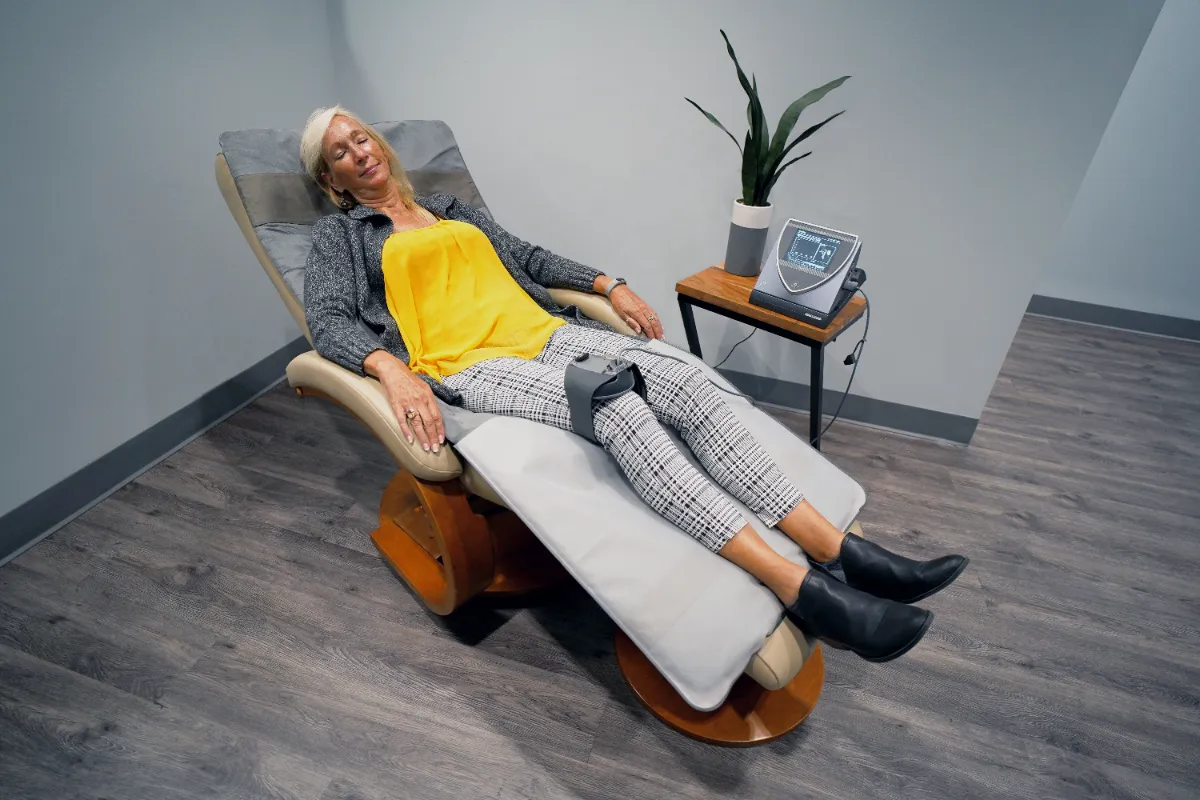
Pulsed Electromagnetic Field (PEMF) Therapy uses low-frequency electromagnetic waves to stimulate cellular activity and support the body’s natural regulatory systems. This non-invasive therapy works at the cellular level to enhance circulation, improve energy production, and influence neurological function.
During menopause, hormonal changes—particularly declining estrogen—can contribute to increased inflammation, disrupted sleep, mood fluctuations, joint discomfort, and reduced cellular energy. PEMF Therapy helps address these underlying physiological changes by supporting cellular repair, improving nervous system balance, and enhancing overall function.
How PEMF Therapy Supports Women Going Through Menopause
Reduces Pain and Inflammation
PEMF Therapy has been shown to help reduce inflammation and modulate pain signaling pathways, leading to decreased discomfort and improved mobility. By enhancing circulation and cellular repair, PEMF can support musculoskeletal health without the need for medication.
Supports Cellular Energy and Reduces Fatigue
Fatigue during menopause is often linked to decreased mitochondrial efficiency and reduced cellular energy production. PEMF Therapy stimulates mitochondrial activity and supports ATP production, helping improve cellular energy availability. This can contribute to increased energy levels, reduced fatigue, and improved physical performance.
Improves Sleep Quality and Nervous System Regulation
Sleep disturbances are a hallmark symptom of menopause and are closely tied to changes in nervous system balance and brain activity. PEMF Therapy helps regulate the autonomic nervous system by promoting parasympathetic (rest-and-recovery) activity. This can support relaxation, improve sleep quality, and help restore more consistent sleep patterns.

Supports Neurological Function
Menopause-related hormonal changes can influence brainwave patterns and neural communication, contributing to symptoms like brain fog and reduced focus. PEMF Therapy helps modulate electrical signaling in the nervous system, supporting more balanced brain activity. This may contribute to improved cognitive clarity, focus, and mental performance.
Infrared Sauna for Menopause
Infrared sauna therapy uses infrared light to gently heat the body directly, rather than warming the surrounding air. This allows for a more comfortable experience at lower temperatures (typically 120°F–140°F / 49°C–60°C) while still delivering deep, penetrating heat to tissues.
During menopause, hormonal changes—particularly declining estrogen—can affect cardiovascular function, thermoregulation, mood, and musculoskeletal health. These changes often contribute to symptoms such as hot flashes, sleep disturbances, joint discomfort, and increased stress sensitivity.
Infrared sauna therapy supports the body during this transition by improving circulation, promoting relaxation, and helping regulate stress responses—key factors in managing menopause-related symptoms.

How Infrared Sauna Supports Women Going Through Menopause:

Supports Cardiovascular Health
After menopause, the risk of cardiovascular disease increases due to changes in estrogen levels that affect blood vessels and circulation. Infrared saunas increase heart rate and promote vasodilation (widening of blood vessels), similar to the effects of moderate exercise. This support improves circulation, vascular function, and overall cardiovascular health.

Promotes Relaxation and Reduces Stress
Menopause can increase sensitivity to stress and disrupt the body’s ability to regulate the nervous system. Infrared sauna therapy activates the parasympathetic nervous system, helping reduce cortisol levels and promote relaxation. This can improve emotional balance, reduce anxiety, and enhance overall well-being.
Improves Sleep Quality and Nervous System Regulation
Sleep disturbances are a hallmark symptom of menopause and are closely tied to changes in nervous system balance and brain activity. PEMF Therapy helps regulate the autonomic nervous system by promoting parasympathetic (rest-and-recovery) activity. This can support relaxation, improve sleep quality, and help restore more consistent sleep patterns.
Supports Neurological Function
Menopause-related hormonal changes can influence brainwave patterns and neural communication, contributing to symptoms like brain fog and reduced focus. PEMF Therapy helps modulate electrical signaling in the nervous system, supporting more balanced brain activity. This may contribute to improved cognitive clarity, focus, and mental performance.
Read to Begin Your Journey to Recovery?
Schedule a free wellness consultation to explore a personalized plan that supports you every step of the way.
Schedule Your Free Wellness Visit →
References:
- Fu, Qiaoyu, et al. “Hyperbaric Oxygen Therapy for Healthy Aging: From Mechanisms to Therapeutics.” Redox Biology, vol. 53, July 2022, p. 102352. https://doi.org/10.1016/j.redox.2022.102352.
- Hachmo, Yafit, et al. “Hyperbaric Oxygen Therapy Increases Telomere Length and Decreases Immunosenescence in Isolated Blood Cells: A Prospective Trial.” Aging, 11 Nov. 2020. https://doi.org/10.18632/aging.202188.
- Hohenfeld, Christian, et al. “Cognitive Improvement and Brain Changes After Real-Time Functional MRI Neurofeedback Training in Healthy Elderly and Prodromal Alzheimer’s Disease.” Frontiers in Neurology, vol. 8, 9 Aug. 2017. https://doi.org/10.3389/fneur.2017.00384.
- Campos da Paz, Valeska Kouzak, et al. “SMR Neurofeedback Training Facilitates Working Memory Performance in Healthy Older Adults: A Behavioral and EEG Study.” Frontiers in Behavioral Neuroscience, vol. 12, 20 Dec. 2018. https://doi.org/10.3389/fnbeh.2018.00321.
- Thomas, David R. “Vitamins in Aging, Health, and Longevity.” Clinical Interventions in Aging, vol. 1, no. 1, Jan. 2006, pp. 81–91. https://doi.org/10.2147/ciia.2006.1.1.81.
- Venugobal, Sharanya, et al. “Brief, Weekly Magnetic Muscle Therapy Improves Mobility and Lean Body Mass in Older Adults: A Southeast Asia Community Case Study.” Aging, vol. 15, no. 6, 19 Mar. 2023, pp. 1768–1790. https://doi.org/10.18632/aging.204597.
- Leonardo, Patrícia Sardinha, et al. “Evaluation of Pulsed Electromagnetic Field Therapy to Improve Muscle Strength and Functional Aspects in the Elderly: A Pilot Study.” Manual Therapy, Posturology & Rehabilitation Journal, vol. 21, 28 Mar. 2023, pp. 1–7. https://doi.org/10.17784/mtprehabjournal.2023.21.1293.
- Lee, Ju Hee, et al. “Effects of Infrared Radiation on Skin Photo-Aging and Pigmentation.” Yonsei Medical Journal, vol. 47, no. 4, 31 Aug. 2006, p. 485. https://doi.org/10.3349/ymj.2006.47.4.485.
- Tsagkaris, Christos, et al. “Infrared Radiation in the Management of Musculoskeletal Conditions and Chronic Pain: A Systematic Review.” European Journal of Investigation in Health, Psychology and Education, vol. 12, no. 3, 14 Mar. 2022, pp. 334–343. https://doi.org/10.3390/ejihpe12030024.
- Merz, Beverly. “Sauna Use Linked to Longer Life, Fewer Fatal Heart Problems.” Harvard Health Publishing, 25 Feb. 2015, health.harvard.edu/blog/sauna-use-linked-longer-life-fewer-fatal-heart-problems-201502257755.
- Longo, Valter D., et al. “Intermittent and Periodic Fasting, Longevity and Disease.” Nature Aging, vol. 1, no. 1, 14 Jan. 2021, pp. 47–59. https://doi.org/10.1038/s43587-020-00013-3.
- Schellnegger, Marlies, et al. “Unlocking Longevity: The Role of Telomeres and Its Targeting Interventions.” Frontiers in Aging, vol. 5, 25 Jan. 2024. https://doi.org/10.3389/fragi.2024.1339317.
- Teufel, Martin. “Psychological Burden of Food Allergy.” World Journal of Gastroenterology, vol. 13, no. 25, 7 July 2007, p. 3456. https://doi.org/10.3748/wjg.v13.i25.3456.