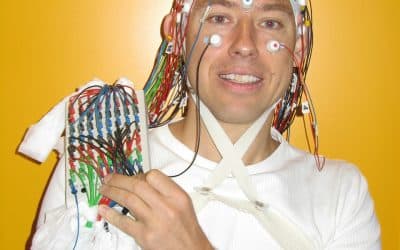
Abstract Background: Electroencephalogram Neurofeedback therapy (EEG-NFT) has several potential beneficial effects in terms of improving cognition and electrophysiological regulation among patients with brain injury. However, in vivo structural and functional changes...
HBOT Research
Explore our database on Hyperbaric Oxygen Therapy (HBOT) Research below.
Extivita maintains an extensive research & publication database for various diseases and therapies such as Hyperbaric Oxygen Therapy, Neurofeedback, Nutritional IV Therapy, Infrared Sauna, and Pulsed Electromagnetic Field Therapy.
For a complete list of indications treated at Extivita, explore the conditions we treat.
Reflections on the neurotherapeutic effects of hyperbaric oxygen.
Traumatic brain injury (TBI) and stroke are the major causes of brain damage and chronic neurological impairments. There is no agreed-upon effective metabolic intervention for TBI and stroke patients with chronic neurological dysfunction. Clinical studies published this year present convincing evidence that hyperbaric oxygen therapy (HBOT) might be the coveted neurotherapeutic method for brain repair. Here we discuss the multi-faceted role of HBOT in neurotherapeutics, in light of recent persuasive evidence for HBOT efficacy in brain repair and the new understanding of brain energy management and response to damage. We discuss optimal timing of treatment, dosage, suitable candidates and promising future directions.
Does hyperbaric oxygen therapy work in facilitating acute wound healing: a systematic review.
Abstract: Adjunctive hyperbaric oxygen therapy is a safe and effective modality with which to increase tissue oxygenation and aid in healing of difficult wounds. The majority of the literature surrounding hyperbaric oxygen therapy supports its use in chronic wounds,...
Medical school hotline: update on university clinical, education and research associates (UCERA).
Abstract: Blanchette, , , , , , , , (2014). Medical school hotline: update on university clinical, education and research associates (UCERA). Hawai'i journal of medicine & public health : a journal of Asia Pacific Medicine & Public Health, 2014...
Hemodynamic impact of isobaric levobupivacaine versus hyperbaric bupivacaine for subarachnoid anesthesia in patients aged 65 and older undergoing hip surgery.
Abstract: The altered hemodynamics, and therefore the arterial hypotension is the most prevalent adverse effect after subarachnoid anesthesia. The objective of the study was to determine the exact role of local anesthetic selection underlying spinal anesthesia-induced...
Effects of hyperbaric oxygen on eye tracking abnormalities in males after mild traumatic brain injury.
The effects of hyperbaric oxygen (HBO2) on eye movement abnormalities in 60 military servicemembers with at least one mild traumatic brain injury (TBI) from combat were examined in a single-center, randomized, double-blind, sham-controlled, prospective study at the Naval Medicine Operational Training Center. During the 10 wk of the study, each subject was delivered a series of 40, once a day, hyperbaric chamber compressions at a pressure of 2.0 atmospheres absolute (ATA). At each session, subjects breathed one of three preassigned oxygen fractions (10.5%, 75%, or 100%) for 1 h, resulting in an oxygen exposure equivalent to breathing either surface air, 100% oxygen at 1.5 ATA, or 100% oxygen at 2.0 ATA, respectively. Using a standardized, validated, computerized eye tracking protocol, fixation, saccades, and smooth pursuit eye movements were measured just prior to intervention and immediately postintervention. Between and within groups testing of pre- and postintervention means revealed no significant differences on eye movement abnormalities and no significant main effect for HBO2 at either 1.5 ATA or 2.0 ATA equivalent compared with the sham-control. This study demonstrated that neither 1.5 nor 2.0 ATA equivalent HBO2 had an effect on postconcussive eye movement abnormalities after mild TBI when compared with a sham-control.
Effects of hyperbaric oxygen on MMP-2 and MMP-9 expression and spinal cord edema after spinal cord injury.
Abstract: To evaluate the effects of hyperbaric oxygen (HBO) therapy on MMP-2 and MMP-9 expression and spinal cord edema after acute spinal cord injury (SCI). Ninety-six healthy adult Sprague − Dawley rats were randomly divided into 4 groups: sham, sham + HBO, SCI,...
Hyperbaric oxygen therapy as an effective adjunctive treatment for chronic Lyme disease.
Abstract: Lyme disease is the most commonly reported vector-borne illness in the United States, but it is relatively rare in Taiwan. Lyme disease can be treated with antibiotic agents, but approximately 20% of these patients experience persistent or intermittent...
[Problems after radiation therapy].
Abstract: The rate of severe late adverse effects has decreased with the highly accurate administration of radiation therapy; however, the total number of patients who suffer from late effects has not decreased because of the increased total number of patients and...