HBOT Research

  1. Home
  2. HBOT Research

Explore our database on Hyperbaric Oxygen Therapy (HBOT) Research below.

Extivita maintains an extensive research & publication database for various diseases and therapies such as Hyperbaric Oxygen Therapy, Neurofeedback, Nutritional IV Therapy, Infrared Sauna, and Pulsed Electromagnetic Field Therapy.

For a complete list of indications treated at Extivita, explore the conditions we treat.


Hyperbaric oxygen therapy for Alzheimer’s dementia with positron emission tomography imaging: a case report.

Hyperbaric oxygen therapy for Alzheimer’s dementia with positron emission tomography imaging: a case report.

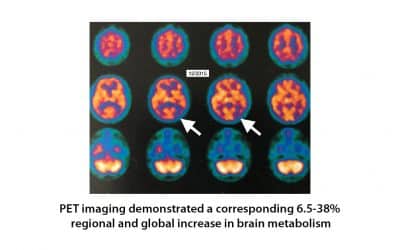
A 58-year-old female was diagnosed with Alzheimer’s dementia (AD) which was rapidly progressive in the 8 months prior to initiation of hyperbaric oxygen therapy (HBOT). Fluorodeoxyglucose (FDG) positron emission tomography (PET) brain imaging demonstrated global and typical metabolic deficits in AD (posterior temporal-parietal watershed and cingulate areas). An 8-week course of HBOT reversed the patient’s symptomatic decline. Repeat PET imaging demonstrated a corresponding 6.5-38% regional and global increase in brain metabolism, including increased metabolism in the typical AD diagnostic areas of the brain.
read more
Evaluation of hyperbaric oxygen therapy for spinal cord injury in rats with different treatment course using diffusion tensor imaging.

Evaluation of hyperbaric oxygen therapy for spinal cord injury in rats with different treatment course using diffusion tensor imaging.

Animal study. To evaluate the efficacy of hyperbaric oxygen (HBO) therapy for spinal cord injury (SCI) in rats with different treatment course using diffusion tensor imaging (DTI). Hospital in Fuzhou, China. Fifty adult Sprague-Dawley rats were grouped as: (A) sham-operated group (n = 10); (B) SCI without HBO therapy group (n = 10); (C) SCI with HBO therapy for 2 weeks (SCI+HBO) group (n = 10); (D) SCI with HBO therapy for 4 weeks (SCI+HBO) group (n = 10); (E) SCI with HBO therapy for 6 weeks (SCI+HBO) group (n = 10). Basso Beattie Bresnahan (BBB) scores and diffusion tensor imaging parameters including fractional anisotropy (FA), mean diffusivity (MD), radial diffusion (RD), and axial diffusion (AD) values in the injury epicenter, as well as 2 mm rostral and caudal to the injury epicenter were collected and analyzed 6 weeks post-injury.

read more

Further application of hyperbaric oxygen in prostate cancer.

Hyperbaric oxygen therapy (HBOT) has been used as an adjuvant treatment for multiple pathological states, which involves hypoxic conditions. Over the past 50 years, HBOT has been recommended and used in a wide variety of medical conditions, clinically in the treatment of ischemic or nonhealing wounds and radiation-injured tissue, and in the treatment of malignancy. The mechanism of this treatment is providing oxygen under pressure which is higher than the atmosphere thus increasing tissue oxygen concentration. When cells get enough oxygen in the microenvironment, they become active and replicate effectively. Prostate cancer is the second most common cancer and the fifth leading cause of cancer death among male around the world.

read more

Extracorporeal Shockwave Therapy for Diabetic Foot Ulcers: A Systematic Review and Meta-Analysis.

Diabetes mellitus is one of the most common chronic diseases worldwide. Diabetic foot ulcers (DFUs) occur in over 10% of diabetic patients and are associated with high morbidity. Clinical trials have shown benefit from extracorporeal shockwave therapy (ESWT) in a DFU healing. This systematic review aims to assess the currently available evidence examining the efficacy of ESWT on healing of DFU. Electronic databases including PubMed, Ovid MEDLINE, Web of Science, Embase, CINAHL Plus, Cochrane Central Registry of Controlled Trials, and Clinical Trials Registry were searched up to November 2017 for terms related to ESWT in DFU. Articles were identified, and data were extracted by 2 independent reviewers onto Review Manager 5.3 software.

read more