Advanced Therapies for Healing, Recovery, and Brain-Body Optimization
Personalized, non-invasive treatments backed by science and compassion.
Advanced Therapies for Healing, Recovery, and Brain-Body Optimization
Personalized, non-invasive treatments backed by science and compassion.
Redefining Healthcare Through Integrative Therapies
Extivita is a wellness and recovery clinic offering advanced, non-invasive therapies that support the body’s natural healing processes. Our treatments—including Hyperbaric Oxygen Therapy, Neurofeedback, IV Therapy, and more—are backed by research and delivered in a personalized, compassionate environment.
Whether you’re recovering from chronic illness, healing from injury, or looking to enhance cognitive or physical performance, we help you reach your goals naturally—by supporting your body’s ability to restore balance and regenerate from within.
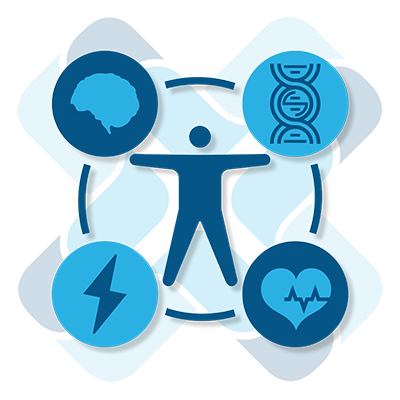
Personalized, Whole-Body Care
Tailored treatment plans based on your unique goals, symptoms, and diagnostic insights.

Science-Backed Therapies
Our therapies—including HBOT—are supported by research and used in hospitals worldwide.

Heal with Oxygen-Based Medicine
Hyperbaric Oxygen Therapy reduces inflammation, boosts cellular repair, and accelerates recovery.

Trusted Team. Compassionate Care.
Experienced providers and clinicians committed to helping you feel better and live fully.
Learn More About Our Approach →
What is Hyperbaric Oxygen Therapy?
Hyperbaric Oxygen Therapy (HBOT) involves breathing 100% medical-grade oxygen in a pressurized chamber, significantly increasing oxygen supply to your cells and tissues. This non-invasive, drug-free therapy promotes healing from the inside out, benefiting both acute and chronic health concerns.
Key Benefits:
✓ Enhances oxygen delivery to tissues
✓ Reduces inflammation
✓ Stimulates stem cell activity
✓ Supports immune function
✓ Accelerates wound healing
Explore Our Therapies
Hyperbaric Oxygen Therapy

Nutritional IV Therapy

Infrared Sauna
Neurofeedback

Pulsed Electromagnetic Field (PEMF) Therapy

View All Therapies →
Healing May Be Closer Than You Think
Sometimes the first step toward feeling better is simpler than you think. Hyperbaric Oxygen Therapy has been used for over 100 years and has long been utilized in hospitals to support healing and recovery. By delivering oxygen under gentle pressure, HBOT helps support the body’s natural healing processes.
At Extivita, we’re making this powerful therapy more accessible than ever — in a relaxing environment where wellness can begin with something as natural as breathing.
Watch the video below to discover why so many people are turning to HBOT.
Conditions We Help Support
At Extivita, our non-invasive therapies are used to support individuals facing a wide range of health challenges—whether you’re recovering from injury, managing a chronic condition, or optimizing brain and body performance.
How Our Therapies Help
Hyperbaric Oxygen Therapy (HBOT), IV Nutrition, Neurofeedback, and other integrative treatments work together to reduce inflammation, promote cellular repair, and rebalance neurological function. Globally, HBOT is used to complement care for injuries, infections, chronic illnesses, and to enhance overall vitality and athletic performance.


Inflammation
Autoimmune
Long COVID
Lyme Disease
Chronic Inflammation

Explore our full list to learn how Extivita’s therapies may fit into your recovery or wellness plan.
See Full List of Conditions We Support →
How Our Therapies Work Together for Whole-Body Recovery
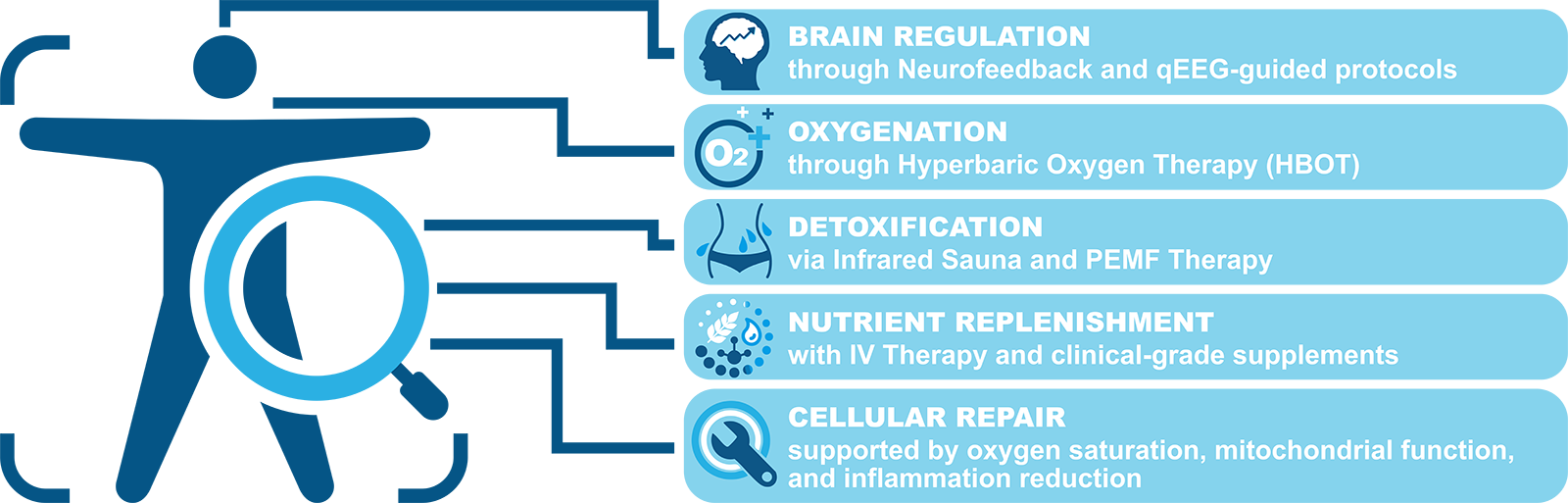
At Extivita, we don’t treat symptoms in isolation—we address the root causes of dysfunction and imbalance. Our therapies are designed to work synergistically, supporting your body’s ability to heal, regulate, and restore itself.
We personalize every care plan based on your goals, symptoms, and diagnostic data—targeting five key pillars of health:
-
Oxygenation
Delivered through Hyperbaric Oxygen Therapy (HBOT) to increase oxygen levels, promote healing, and regulate inflammation.
-
Nutrient Replenishment
IV Therapy and clinical-grade supplements restore essential vitamins, minerals, and antioxidants at the cellular level.
-
Brain Regulation
Neurofeedback and QEEG mapping help retrain the brain for better focus, mood, and nervous system balance.
-
Detoxification
Infrared Sauna and PEMF Therapy support lymphatic flow, circulation, and the elimination of environmental toxins.
-
Cellular Repair
Enhanced oxygen delivery, mitochondrial activation, and reduced oxidative stress promote long-term regeneration and recovery.
Whether you’re recovering from injury, managing chronic illness, or working toward peak performance, we align therapies with your biology to deliver sustainable, whole-body results.
Learn More About Our Approach →
Not Sure Where to Start? Begin with a Free Personalized Wellness Visit
If you’re curious about Hyperbaric Oxygen Therapy or any of our integrative services, your first step is easy—and free. Schedule a Personalized Wellness Visit to tour our clinic, meet with a care coordinator, and learn how our therapies could support your health goals.
During your visit, we’ll:
- Review your health history and concerns
- Discuss your wellness goals
- Introduce you to therapies like HBOT, IV Therapy, Neurofeedback, and more
- Create a preliminary care path tailored to your needs
You’ll leave with clarity, a plan, and no pressure—just the information you need to make the next right step for your health.
Note: A medical prescription is only required for Hyperbaric Oxygen Therapy (HBOT). Most of our therapies do not require a provider appointment to begin.
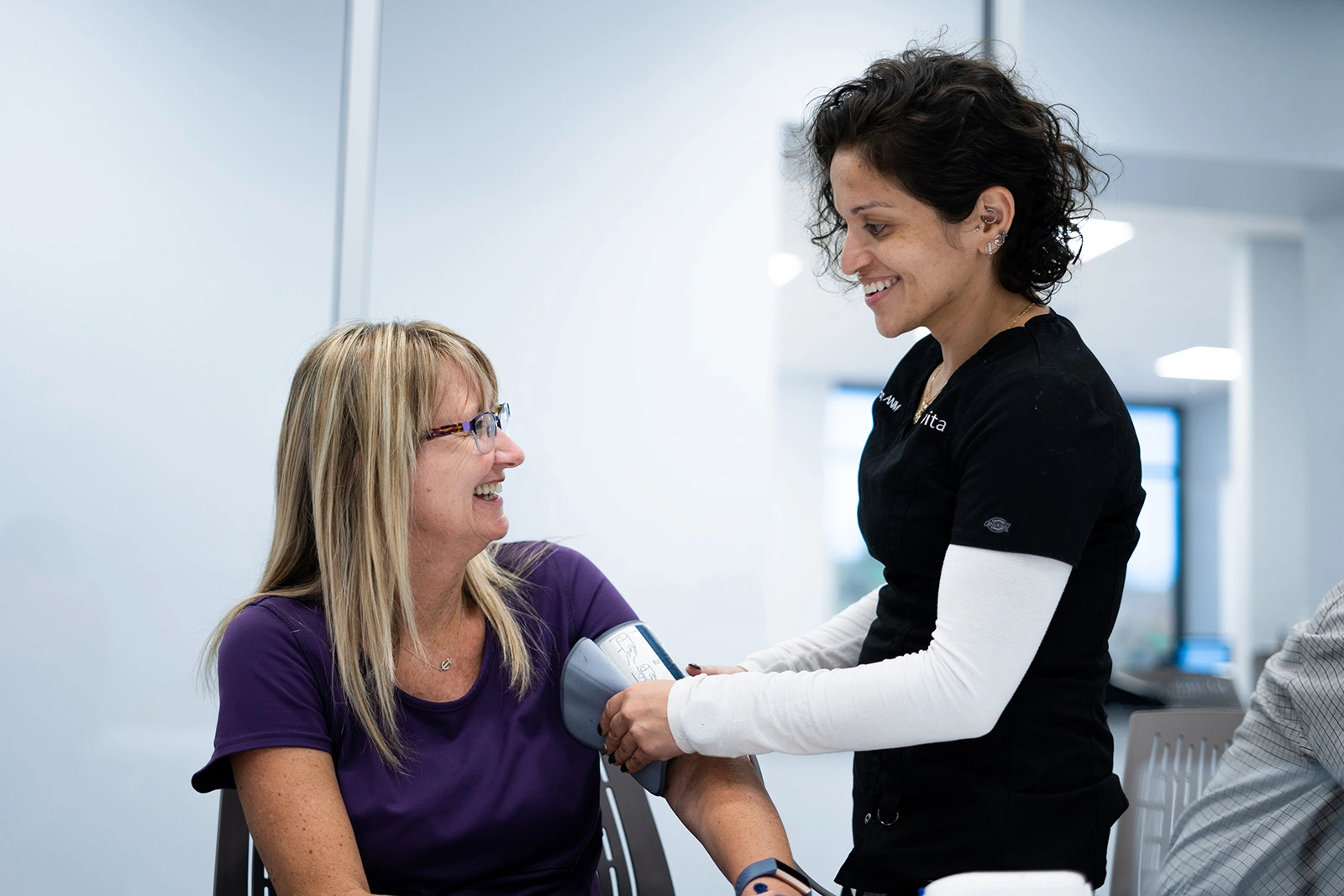
Wellness Services at Extivita
Our wellness services help you uncover hidden imbalances and optimize your health from the inside out. These diagnostic and supportive tools work alongside our core therapies to personalize your care and extend your long-term results.
Telomere Analysis
Measure biological aging and track how your wellness plan is impacting cellular health and longevity.

Food Sensitivity Testing
Identify delayed immune reactions to foods that may be causing inflammation, fatigue, or digestive issues.

Longevity Challenge
A structured wellness program designed to support long-term brain and body performance through integrative therapies and lifestyle upgrades.

Supplements
Physician-selected formulations that support immune function, detox, energy, and recovery—backed by clinical insight.
Explore Wellness Services →
Our Reviews


Our therapies have helped hundreds of patients feel better, think clearer, and live with less pain.
View More Patient Testimonials →
INSIGHTS & ARTICLES
Baseline EEG abnormalities in mild traumatic brain injury from the BIMA study.
The Brain Injury and Mechanisms of Action of HBO₂ for Persistent Post-Concussive Symptoms after Mild Traumatic Brain Injury (BIMA), sponsored by the Department of Defense, is a randomized, double-blind, sham-controlled trial of hyperbaric oxygen (HBO₂) in service members with persistent post-concussive symptoms following mild TBI, undergoing comprehensive assessments. The clinical EEG was assessed by neurologists for slow wave activity, ictal/interictal epileptiform abnormalities, and background periodic discharges. There is scant literature about EEG findings in this population, so we report baseline clinical EEG results and explore associations with other evaluations, including demographics, medication, neurological assessments, and clinical MRI outcomes. Seventy-one participants were enrolled: median age 32 years, 99% male, 49% comorbid PTSD, 28% with mTBI in the previous year, 32% blast injuries only, and 73% multiple injuries. All participants reported medication use (mean medications = 8, SD = 5). Slowing was present in 39%: generalized 37%, localized 8%, both 6%. No other abnormalities were identified. Slowing was not significantly associated with demographics, medication or neurological evaluation. Participants without EEG abnormalities paradoxically had significantly higher number of white matter hyperintensities as identified on MRI (p = 0.003). EEG slowing is present in more than one-third of participants in this study without evidence of associations with demographics, medications or neurological findings.
Baseline neurological evaluations in a hyperbaric trial of post-concussive syndrome.
Abstract: Standard neurologic examinations may not detect abnormalities in U.S. military service members with persistent post-concussive symptoms following mild traumatic brain injury. The Brain Injury and Mechanisms of Action of Hyperbaric Oxygen for Persistent...
Hyperbaric oxygen for persistent post-concussive symptoms: long-term follow-up.
Abstract: We report results of an observational cohort study investigating long-term follow-up in participants from two completed United States military trials of hyperbaric oxygen (HBO₂) for persistent post-concussive symptoms (PCS), as well as challenges in...
Linear analysis of heart rate variability in post-concussive syndrome.
Heart rate variability (HRV) represents measurable output of coordinated structural and functional systems within the body and brain. Both mild traumatic brain injury (mTBI) and HRV are modulated by changes in autonomic nervous system function. We present baseline HRV results from an ongoing mTBI clinical trial. HRV was assessed via 24-hour ambulatory electrocardiography; recordings were segmented by physiological state (sleep, wakefulness, exercise, standing still). Time, frequency, and spatial domain measures were summarized and compared with symptoms, sleep quality, and neurological examination. Median low frequency/high frequency (LF/HF) ratio exceeded 1.0 across segments, indicating prevalence of sympathetic modulation. Abnormal Sharpened Romberg Test was associated with 29% LF/HF decrease (95% CI [2.1, 47.7], p=0.04); pathological nystagmus associated with decreased standard deviation of electrocardiogram R-R interval (SDNN) index (25% decrease, 95% CI [0.8, 43.4], p=0.04). Increased sympathetic modulation was associated with increased anger scores (19% LF/HF increase with 5-point State Trait Anger Expression Inventory-2 trait anger increase (95% CI [1.2, 39.1], p=0.04)). A 13% HF increase (95% CI [2.1, 25.7], p=0.02) was observed with increased Pittsburgh Sleep Quality Index scores. These results support autonomic nervous system dysfunction in service members after mTBI.
TBI study questioned: Dr. Weaver response.
Abstract: Weaver, Lindblad, Wilson, Churchill, Deru, , , , (). TBI study questioned: Dr. Weaver response. Undersea & hyperbaric medicine : journal of the Undersea and Hyperbaric Medical Society, Inc, ;44(1):82-85. https://www.ncbi.nlm.nih.gov/pubmed/28768093
Sleep assessments for a mild traumatic brain injury trial in a military population.
Baseline sleep characteristics were explored for 71 U.S. military service members with mild traumatic brain injury (mTBI) enrolled in a post-concussive syndrome clinical trial. The Pittsburgh Sleep Quality Index (PSQI), sleep diary, several disorder-specific questionnaires, actigraphy and polysomnographic nap were collected. Almost all (97%) reported ongoing sleep problems. The mean global PSQI score was 13.5 (SD=3.8) and 87% met insomnia criteria. Sleep maintenance efficiency was 79.1% for PSQI, 82.7% for sleep diary and 90.5% for actigraphy; total sleep time was 288, 302 and 400 minutes, respectively. There was no correlation between actigraphy and subjective questionnaires. Overall, 70% met hypersomnia conditions, 70% were at high risk for obstructive sleep apnea (OSA), 32% were symptomatic for restless legs syndrome, and 6% reported cataplexy. Nearly half (44%) reported coexisting insomnia, hypersomnia and high OSA risk. Participants with post-traumatic stress disorder (PTSD) had higher PSQI scores and increased OSA risk. Older participants and those with higher aggression, anxiety or depression also had increased OSA risk. The results confirm poor sleep quality in mTBI with insomnia, hypersomnia, and OSA risk higher than previously reported, and imply sleep disorders in mTBI may be underdiagnosed or exacerbated by comorbid PTSD.
Start Your Journey with Extivita Today
Schedule your free wellness visit and explore how our therapies can support your healing.
“Join hundreds of patients improving their health naturally.”
Contact Us
Location
2012-D TW Alexander Drive
Durham, NC 27709
Extivita - RTP
Phone
Hours
Sunday Closed
Monday 7:00AM–5:00PM
Tuesday 7:00AM–5:00PM
Wednesday 7:00AM–5:00PM
Thursday 7:00AM–5:00PM
Friday 7:00AM–5:00PM
Saturday 9:00AM–5:00PM