
HBOT News & Research
Hyperbaric Oxygen Therapy (HBOT) is increasingly appearing in the news and new research as a treatment for a variety of conditions involving inflammation. Use the search or select an article below to keep up to date on the most recent HBOT News.
Recent Hyperbaric Oxygen Therapy (HBOT) News
Perfluorocarbon in Delayed Recompression with a Mixed Gender Swine Model of Decompression Sickness.
Perfluorocarbons (PFC) are fluorinated hydrocarbons that dissolve gases to a much greater degree than plasma and hold promise in treating decompression sickness (DCS). The efficacy of PFC in a mixed gender model of DCS and safety in recompression therapy has not been previously explored. Swine (25 kg; N = 104; 51 male and 53 female) were randomized into normal saline solution (NSS) or PFC emulsion treatment groups and subjected to compression on air in a hyperbaric chamber at 200 fsw for 31 min. Then the animals were decompressed and observed for signs of DCS. Afterwards, they were treated with oxygen and either PFC (4 cc · kg-1) or NSS (4 cc · kg-1). Surviving animals were observed for 4 h, at which time they underwent recompression therapy using a standard Navy Treatment Table 6. After 24 h the animals were assessed and then euthanized. Survival rates were not significantly different between NSS (74.04%) and PFC (66.67%) treatment groups.
Cerebral arterial gas embolism from attempted mechanical thrombectomy: recovery following hyperbaric oxygen therapy.
Cerebral arterial gas embolism is a recognised complication of endovascular intervention with an estimated incidence of 0.08%. Its diagnosis is predominantly clinical, supported by neuroimaging. The treatment relies on alleviating mechanical obstruction and reversing the proinflammatory processes that contribute to tissue ischaemia. Hyperbaric oxygen therapy is an effective treatment and has multiple mechanisms to reverse the pathological processes involved in cerebral arterial gas embolism. Symptomatic cerebral arterial gas embolism is a rare complication of endovascular intervention for acute ischaemic stroke.
Hyperbaric oxygen therapy reduces astrogliosis and helps to recovery brain damage in hydrocephalic young rats.
Abstract: We investigated the possible beneficial effects that hyperbaric oxygen therapy could offer in different brain structures affected by ventriculomegaly in pup rats submitted to experimental hydrocephalus. Seven-day-old Wistar rats were...
Could an existing oxygen therapy treat Alzheimer’s?
"Breathing oxygen at a higher-than-normal air pressure might ease some of the symptoms of Alzheimer's disease, if recent research done in mice has the same results in humans." Mice genetically engineered to develop some human features of...
Is Hyperbaric Oxygen Therapy Effective in Cisplatin-Induced Ototoxicity in Rats?
Abstract: Cisplatin is an antineoplastic agent, used in the treatment of different types of malignant neoplasms. Side effects such as ototoxicity, nephrotoxicity, and bone marrow toxicity are the main limitations of its clinical use. The aim of the...

Preventive and therapeutic potential of ascorbic acid in neurodegenerative diseases
Abstract In this review, we summarize the involvement of ascorbic acid in neurodegenerative diseases by presenting available evidence on the behavioral and biochemical effects of this compound in animal models of neurodegeneration as well as the...
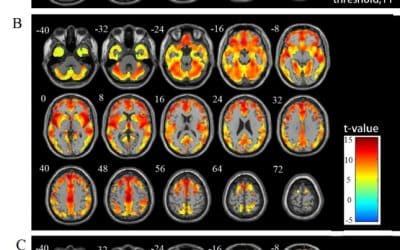
Age-Related Gray and White Matter Changes in Normal Adult Brains
Abstract Normal aging is associated with both structural changes in many brain regions and functional declines in several cognitive domains with advancing age. Advanced neuroimaging techniques enable explorative analyses of structural alterations...
Multi-Modal Treatment of Rhinocerebral Mucormycosis in a Pediatric Patient with Relapsed Pre-B Acute Lymphoblastic Leukemia.
Abstract: A 17-year-old female developed invasive rhinocerebral mucormycosis during intensive re-induction chemotherapy for relapsed pre-B acute lymphoblastic leukemia. Due to the high case fatality rate for invasive mucormycosis in profoundly...
Management of Glioblastoma Multiforme in a Patient Treated With Ketogenic Metabolic Therapy and Modified Standard of Care: A 24-Month Follow-Up.
Abstract: Few advances have been made in overall survival for glioblastoma multiforme (GBM) in more than 40?years. Here, we report the case of a 38-year-old man who presented with chronic headache, nausea, and vomiting accompanied by left partial...