
HBOT News & Research
Hyperbaric Oxygen Therapy (HBOT) is increasingly appearing in the news and new research as a treatment for a variety of conditions involving inflammation. Use the search or select an article below to keep up to date on the most recent HBOT News.
Recent Hyperbaric Oxygen Therapy (HBOT) News
Topical hyperbaric oxygen and low-energy laser for the treatment of chronic ulcers.
Abstract: Diabetic foot ulcers (DFU) and chronic venous ulcers (CVU) are persistent cutaneous lesions that are difficult to treat and heal. Topical hyperbaric oxygen (THO) and low-energy laser (LEL) are therapies that have been employed separately...
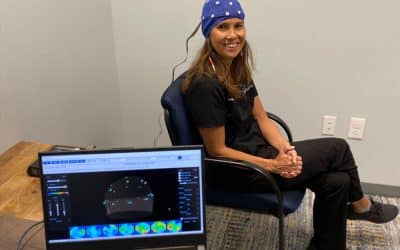
Neurofeedback Treatment of Depression and Anxiety
Abstract A robust body of research documents that there are biological predispositions that often exist for depression, anxiety, and obsessive–compulsive disorder. However, new research has shown that medication is only mildly more effective than...

Alternative and complementary therapies in multiple sclerosis.
Most MS patients use unconventional therapies, usually as complementary measures in addition to the conventional treatment. Only a few adequate clinical trials exist in this field. By definition, the efficacy of these therapies is unproven. Moreover, the possible risks are also largely unknown. Some therapies rely on rational pathophysiological considerations, other must be regarded as potentially harmful. The influence of diet on MS is unproven. Possibly, unsaturated fatty acids are beneficial. However, a few randomized trials yielded inconclusive results. Long-term supplementation of Vitamin D is associated with a decreased MS incidence. There is, however, insufficient evidence for an influence of Vitamin D on the course of the disease. Because of the high prevalence of osteoporosis in MS patients, prophylaxis with Vitamin D and Calcium is widely accepted. The effects of various minerals, selenium, antioxidant compounds, fish oil or vitamins remain speculative.
Intracoronary aqueous oxygen perfusion, performed 24 h after the onset of postinfarction reperfusion, experimentally reduces infarct size and improves left ventricular function.
Abstract: Intracoronary aqueous oxygen (AO) hyperoxemic perfusion, initiated shortly (15-30 min) after the onset of postinfarction reperfusion, reduces infarct size and improves left ventricular function. Whether such therapy provides similar...
Spinal cord decompression sickness associated with scuba diving: correlation of immediate and delayed magnetic resonance imaging findings with severity of neurologic impairment–a report on 3 cases.
Abstract: There are few reports detailing an association between immediate and delayed changes in MR imaging findings and severity of neurologic impairment in patients with spinal cord DCS. We report on the cases of 3 patients diagnosed with spinal...
Retroperitoneal gas gangrene after colonoscopic polypectomy without bowel perforation in an otherwise healthy individual: report of a case.
Abstract: Abdominal gas gangrene caused by clostridia species is rare and usually associated with organ perforation, immune suppression, or advanced malignoma. A 61-year-old man was admitted with severe back pain 1 day after uncomplicated...
Hyperbaric oxygen therapy for late radiation tissue injury.
Abstract: Cancer is a significant global health problem. Radiotherapy is a treatment for many cancers and about 50% of patients having radiotherapy with be long-term survivors. Some will experience LRTI developing months or years later. HBOT has...
Hyperbaric oxygen reduces blood-brain barrier damage and edema after transient focal cerebral ischemia.
Abstract: Hyperbaric oxygen (HBO) has been shown to protect the brain parenchyma against transient focal cerebral ischemia, but its effects on the ischemic microcirculation are largely unknown. We examined the potential of HBO to reduce...
Surgical treatment of pharyngostomes in irradiated patients. Our experience with musculocutaneous pectoralis major flap and hyperbaric oxygen therapy.
Abstract: Our experience confirms that pectoralis major flap is the first-choice technique for repairing recurrent hypopharyngeal fistulae in previously irradiated patients in whom microsurgical techniques are not indicated, and that hyperbaric...